
Nowadays digitisation, With the internet an integral part of our lives, online security and privacy is more than ever a key concern. One tool that helps us protect ourselves from dangers and keep our personal information safe is a VPN, or Virtual Private Network. What exactly is a VPN and how can it take your online experience to the next level? That's what you'll learn about in this article.
In the field of information technology, we are increasingly facing challenges related to online privacy and data security. VPN is not just a technological concept for professionals, but also a useful tool that can significantly impact the way we use the internet on a daily basis.
What is a VPN and how does it work?
What is a VPN, you ask? A VPN, or Virtual Private Network, is a tool that creates a private virtual connection between your device and the internet. Essentially, it creates an encrypted „tunnel“ that protects your data from third parties, whether it's cyber threats, your ISP, or even government authorities.
Its operation is quite simple. When you connect to a VPN, your internet traffic goes through a server located somewhere else in the world. This gives you a new IP address, which could be in another country, for example. Why should you care?
One of the main reasons is anonymity and security.
The fact is that a VPN is not just a tool for those who have „something to hide“. It has a use for anyone who wants to protect their privacy online. Whether it's online banking, shopping, or simply browsing the internet, a VPN can provide an extra layer of protection.
Whether you're in a coffee shop, airport, or on public WiFi, using a VPN can prevent unauthorized access to your sensitive data. This means that even if you're using a public network, your data is secured and protected from unwanted views. A VPN thus provides reassurance that your online activities will remain private.
Why should you use a VPN?
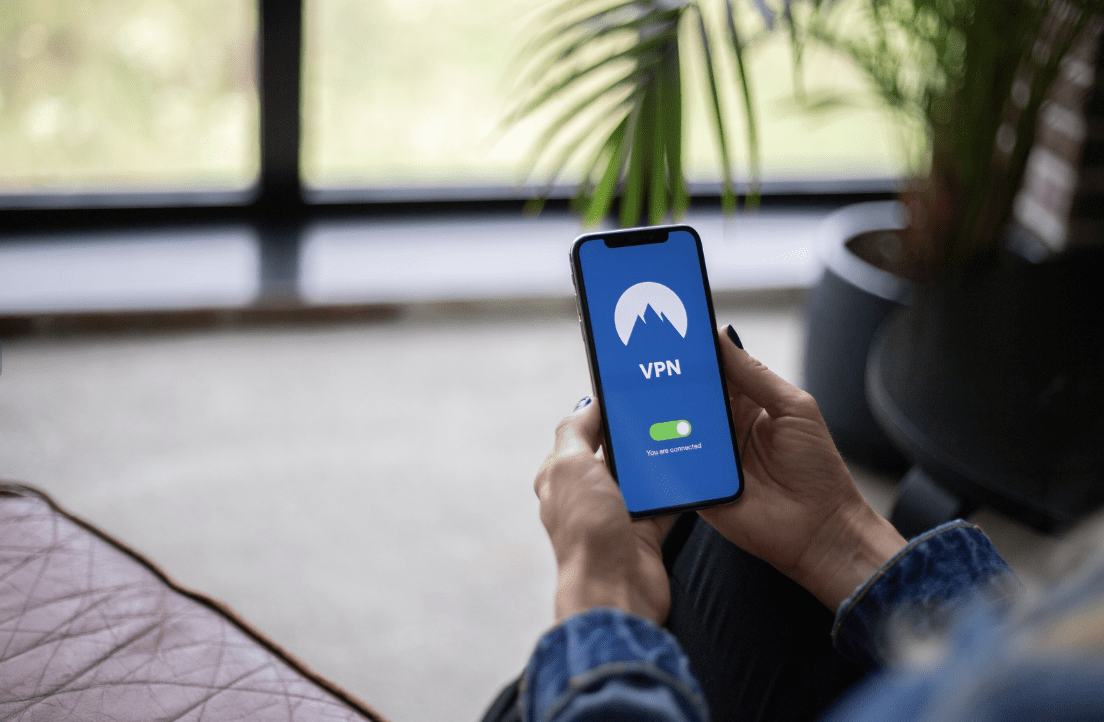
So using a VPN is not just about maintaining privacy, it's also about increasing internet safety. These are the top 5 reasons to use a VPN:
Privacy Policy
Your personal data, such as login details, banking information and communications, are securely protected from unauthorised access.
Secure connectivity on public networks
When using public Wifi connections, your device may be exposed to various security threats. A VPN creates a secure tunnel, protecting your data from potential attackers and hackers who could monitor an unsecured network.
Access to restricted content
Many websites and online services restrict access based on geo-location. A VPN allows you to bypass these restrictions by providing a new IP address from a specific country, allowing you to watch content that might otherwise be unavailable in your region.
Protection from online tracking
Internet companies and advertising agencies track your online activity in order to target personalised advertising to you. A VPN hides your real IP address, reducing the amount of tracking information that is collected about you.
Secure access to corporate networks
For professionals who work remotely, a VPN is an invaluable tool. It provides secure access to corporate networks and sensitive information, ensuring that work data is protected from unauthorized access.
How to choose a VPN?
When choosing a VPN, it's important to consider a few critical factors to ensure you get the right service to suit your individual needs. Here are some key factors you should consider:
Safety:
- Find out what security protocols the VPN uses. Ideally, this should be high-level encryption, such as AES-256 bits.
- Find out if the VPN offers protection against DNS leak or IP leak attacks that could compromise your privacy.
Speed:
- Connection speed is a key factor, especially if you want to use the VPN for video streaming or online gaming.
- Check that the VPN provider has a sufficient number of servers and their geographic locations to minimize connection latency.
Server availability:
- Multiple servers in different countries allow better access to content and increase connection speeds.
- Make sure the VPN has servers in the countries you want to access, for example, for viewing content from foreign regional restrictions.
Logging:
- Check the VPN provider's logging policy. Some VPNs may store data about your activity, which can be a privacy concern.
- Prefer providers that keep no logs or offer minimal logging.
Device support:
- Make sure the VPN supports all the devices you want to protect. This includes computers, mobile phones, smart TVs, and more.
Price and user experience:
- Compare the prices of different VPN providers in relation to the features they provide.
- Read reviews and other users' experiences to get an idea of the reliability and performance of a given VPN service.
Conclusion
Now that cyber threats are becoming increasingly sophisticated, it's important to invest in your online security. A VPN is one of the best ways to achieve this protection.
Whether you're a casual user or an IT professional, it's an advantage to keep in mind that the internet can be a secure and private environment, and a VPN can help you do just that.
Secure your internet, protect your data and enjoy the freedom to go online without worry. A VPN is not just a good thing, it's a necessity at a time when our digital security is challenged by new technological challenges.